
Expanding Treating Capacity While Preparing for the Future
Wood Tie Treaters Continue to Invest in Expansion & Upgrades
From Staff Reports, IWT-Moldrup
Across North America, wood treating plants that supply railroad ties are continuing to invest in upgrades and expansions to maintain reliable production and meet the long-term needs of rail infrastructure.
While some companies are building entirely new facilities, many treaters are choosing a different path, expanding existing plants with additional pressure-treatment equipment and modern process technology. These incremental upgrades allow plants to increase capacity while continuing to rely on proven operations and experienced personnel.
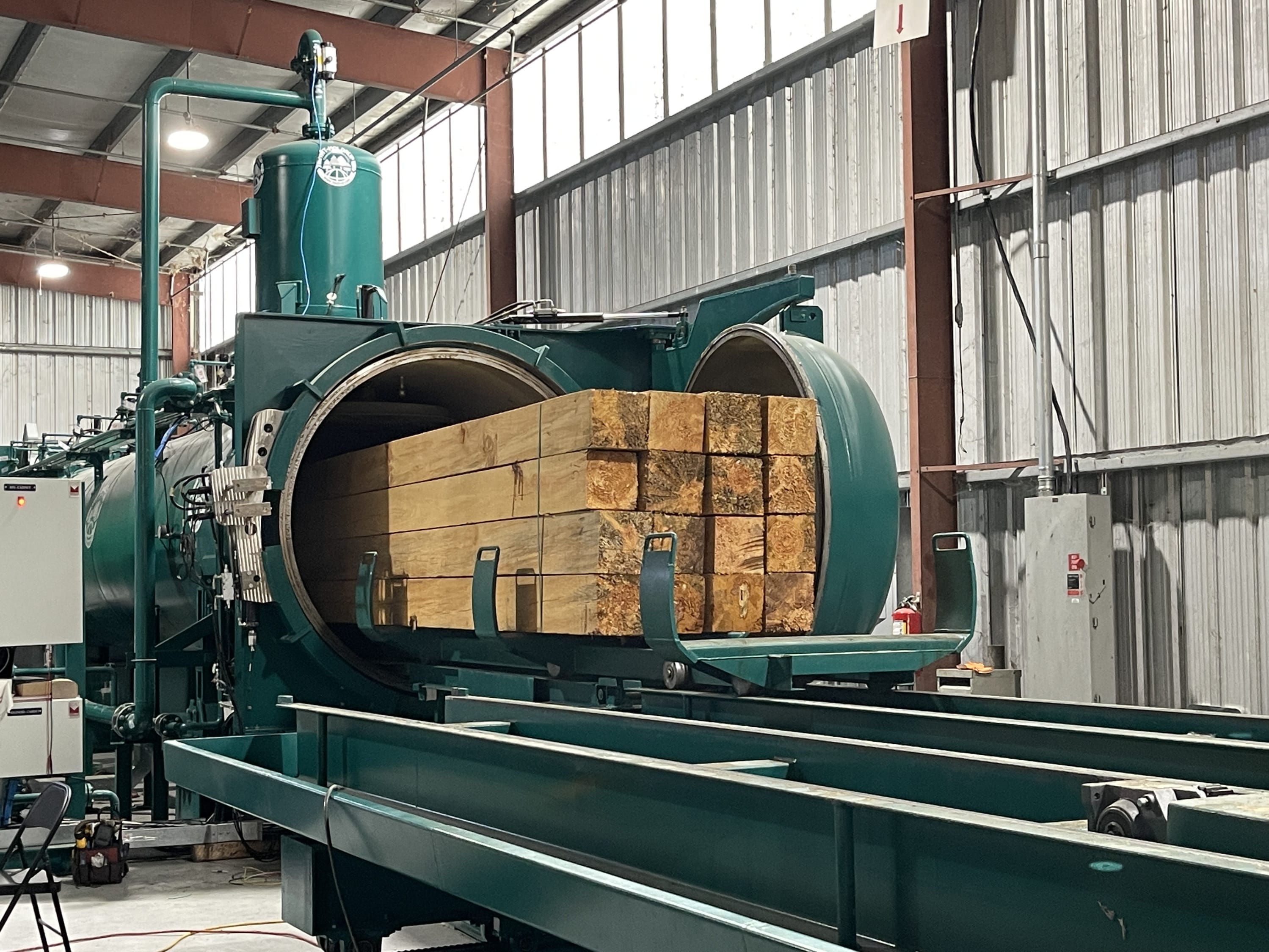
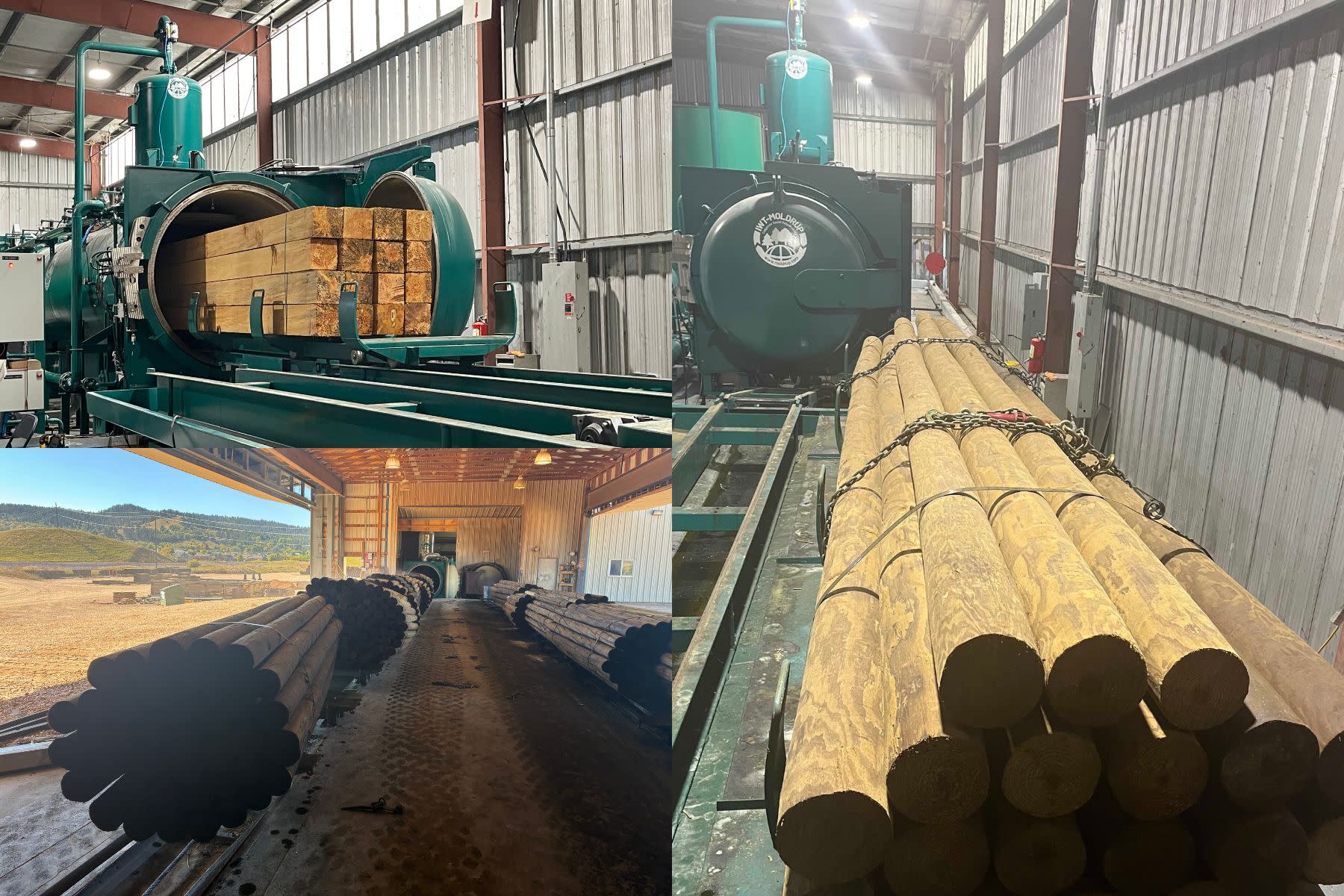
A recent installation at Wheeler Lumber in Whitewood, S.D., illustrates how an established treating facility can expand production while maintaining its existing plant and processes.
Expanding an Established Operation
Wheeler Lumber operates a wood treating facility in Whitewood, S.D., serving multiple markets that rely on treated wood products, including railroad ties.
To increase production capacity, the company installed an additional pressure-treatment cylinder designed to operate alongside its existing treating equipment. The new cylinder enables the plant to process additional timber charges without requiring major changes to the facility’s established treatment procedures.
For many tie treaters, this approach represents a practical way to expand capacity. Installing an additional treatment vessel allows plants to increase throughput while continuing to utilize existing infrastructure and operational expertise.
Reliable treatment capacity is essential for producers serving the railroad industry. Railroads depend on a steady supply of treated ties that meet specification requirements for preservative retention and durability in service.
Evolving Treatment Plant Technology
As treating plants expand or modernize, new equipment designs are offering additional options for improving operational efficiency and safety.
- Modern treating facilities may incorporate technologies such as:
- Automatic hold-down clamp systems that prevent timber from floating during treatment cycles
- Automated material-handling systems for moving charges between loading, treatment, and storage areas
- Hands-off operating concepts that reduce direct operator contact with freshly treated wood
- Improved preservative storage and transfer systems designed to simplify plant operations and reduce chemical handling risks
These features are commonly incorporated into newly constructed treating plants but can also be integrated into upgrades of existing facilities over time.
Greater Flexibility for Treaters
Another trend in treatment plant design is increased flexibility for handling multiple wood products and preservative systems.
With appropriate flushing procedures and process controls, a treatment cylinder can process different preservatives and wood products while minimizing the risk of cross-contamination between treatments. This flexibility allows treaters to serve several markets from the same facility.
Products commonly treated at wood preserving plants include:
- Railroad ties
- Utility poles
- Industrial timbers
- Dimensional lumber
For facilities serving the railroad sector, the ability to adjust treatment processes for different wood species and specifications can provide important operational advantages.
Handling Larger Timber Products
Some modern treating plants are also designed to accommodate larger timber products and longer roundwood materials. In certain installations, treatment cylinders can handle roundwood approaching 50 feet in length, enabling plants to treat utility poles and other long products in addition to dimensional lumber.
In larger operations, automated material-handling systems may move multiple charges per shift between loading areas, treatment vessels, and storage yards. These systems can improve plant efficiency while reducing manual handling of treated wood products.
Although not every treating facility requires this level of automation, such technology is becoming increasingly common as plants modernize.
Environmental and Operational Improvements
Environmental considerations are also shaping the design of modern wood treating facilities.
Newer plants often incorporate features intended to improve chemical management and reduce environmental impact, including:
- Containment systems designed to manage preservative storage and handling
- Equipment layouts that reduce preservative drips after treatment
- More compact plant footprints compared with older treating operations
These design improvements help operators meet evolving regulatory expectations while maintaining efficient production.
Supporting the Railroad Industry
Investments in treatment infrastructure remain an important part of maintaining the supply chain for railroad ties across North America. Treated wood ties continue to play a central role in track infrastructure, and treating plants must maintain consistent production capacity to support maintenance and replacement programs.
The capacity expansion at Wheeler Lumber demonstrates one way established treating plants can increase production while continuing to operate proven equipment and processes.
At the same time, advances in treatment technology are providing treaters with new options for improving efficiency, safety, and environmental performance as facilities evolve.
For tie producers, these developments help ensure that treating plants remain capable of supplying the durable wood products required to support North America’s rail network.
For more information, contact Nina Moldrup at nina@moldrup.com.
Additional Info
Related Links : http://www.moldrupsystem.com/